Guest Voice: Why misconceptions about HAE are harmful
Managing angioedema is hard enough without widespread misunderstanding
Written by |

Every chronic illness community is subject to incorrect information circulating about the condition. Whether it’s about causes, symptoms, or potential cures, no chronic disease is immune to misrepresentation.
Hereditary angioedema (HAE) is no exception. As someone diagnosed with HAE, I’ve heard a plethora of fallacies. It can be incredibly frustrating to have to repeatedly explain that the information a friend found online is, in fact, wrong.
Misinformation is not just infuriating; it can be downright dangerous. Confidently talking about a condition without the proper knowledge can breed further ignorance, fostering confusion and misunderstanding.

The dangers of misinformation
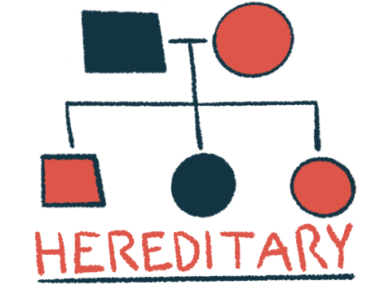
A common misconception I hear about HAE is that it is simply an “allergy.” While there is an allergic type of angioedema, HAE is not an allergy; the condition is caused by genetic mutations.
I’ve had too many people ask me, “Why don’t you just take Benadryl?” or “Have you tried [name a medication]?” Benadryl cannot be used as a treatment for HAE. Those with HAE require special medications that are created specifically for our disease. Yet I’ve had exposure therapy and every supplement under the sun recommended to me by people who have no idea what they’re talking about. Although they usually mean well, it becomes tiring and irritating to constantly have to correct those around me about my condition.
While it’s frustrating enough when the average person doesn’t get it, it can be perilous when medical professionals don’t fully grasp the gravity of the situation. Sometimes, people with HAE delay treatment for their attacks by not seeking necessary medical attention due to concerns that their prodromal symptoms won’t be properly assessed at the emergency room.
I’ve had to educate many doctors and nurses about my HAE in the ER. Thankfully, my local emergency department knows me now and understands what medications I need during an attack. But I’ve had the unfortunate experience of a medical professional asking ChatGPT for medical advice during the appointment, right in front of me.
Social media has exploded over the last 10-15 years, revolutionizing how we acquire knowledge. It has never been more convenient to find an answer to a question, look up the latest news, or learn about recent events on the opposite side of the globe.
With great knowledge comes a great risk of misunderstanding or misrepresenting the facts. Not only is it significantly easier to misinterpret the characteristics of a condition, but it is now increasingly more difficult to verify those details. Search long enough, and you’ll find a post that agrees with you. Distinguishing high-quality, evidence-based sources from random, opinion-based articles is getting trickier.
Bionews, the parent company of Angioedema News, is a perfect example of a mix of quality studies, lifestyle tips, and personal experiences. I frequently turn to Bionews for information, perspectives, and resources. HAE is a tricky disease to manage, especially when there’s so much misinformation about it. Reputable sites and organizations can help make the road ahead clearer.
To submit your own Guest Voice for publication on Angioedema News, please email your idea to our columns manager at [email protected] with the following included in the subject line: “Guest Voice: Angioedema News.”
Note: Angioedema News is strictly a news and information website about the disease. It does not provide medical advice, diagnosis, or treatment. This content is not intended to be a substitute for professional medical advice, diagnosis, or treatment. Always seek the advice of your physician or other qualified health provider with any questions you may have regarding a medical condition. Never disregard professional medical advice or delay in seeking it because of something you have read on this website. The opinions expressed in this column are not those of Angioedema News or its parent company, Bionews, and are intended to spark discussion about issues pertaining to angioedema.