Woman develops lung swelling from common antifungal medication: Report
Patient diagnosed with voriconazole-associated angioedema after rare reaction
Written by |
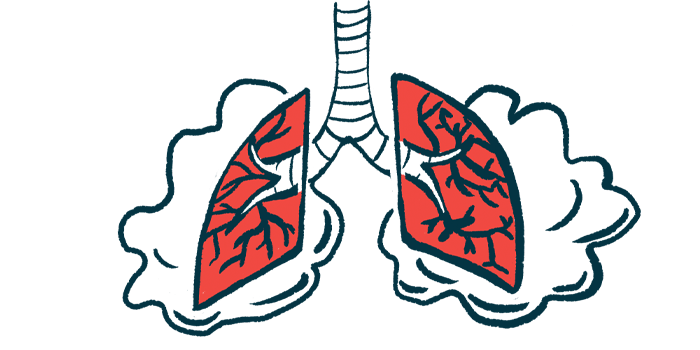
An older woman who developed swelling in her lung tissues was diagnosed with voriconazole-associated angioedema while receiving treatment for a fungal lung infection, according to a case report.
Clinicians determined that the angioedema was likely triggered by the antifungal medication voriconazole. After discontinuation of the drug and initiation of corticosteroid therapy, the patient’s symptoms resolved. No further episodes of angioedema were reported during the follow-up period.
“To our knowledge, this represents one of the very few reported cases of [voriconazole-induced] interstitial pulmonary edema worldwide,” researchers wrote. “Early recognition and timely corticosteroid intervention are crucial for favorable outcomes.”
The study, “Voriconazole-Induced acute interstitial pulmonary edema with angioedema: A case report,” was published in BMC Pulmonary Medicine.

Lung swelling caused by antifungal agent voriconazole
Angioedema is characterized by swelling in deeper layers of the skin or in the mucus membranes. It may be associated with an allergic reaction, occur as a side effect of certain medications or genetic mutations, or be associated with other health conditions.
Here, researchers in China reported the case of a 74-year-old woman who developed lung swelling caused by voriconazole, a first-line antifungal agent used to treat invasive fungal infections.
The woman was admitted to the hospital with a four-day history of cough with sputum (thick mucus) and chest tightness. She had a medical history of high blood pressure and diabetes for more than 10 years, both of which she was taking medications for, and asthma for one year.
At the first evaluation, she had no fever, her breathing and heart rate were normal, and her blood pressure was within normal levels. She had signs of inflammation in both lungs and elevated blood levels of inflammation markers, white blood cells, and sugar.
The woman was initially diagnosed with pneumonia, a type of lung infection that primarily affects the lungs’ air sacs (alveoli), with acute asthma worsening, and was medicated. After seven days, her respiratory symptoms eased, but a repeat CT scan raised suspicion of fungal pneumonia. She began treatment with voriconazole, which subsequently alleviated cough and eased expectoration.
However, within four days of starting voriconazole, she developed facial and leg swelling, shortness of breath, and nausea. Her condition progressively worsened to include pink sputum, shortness of breath while lying down, and wheezing, a sound made during breathing due to narrowed airways.
Voriconazole-induced interstitial pulmonary edema is an exceptionally rare but potentially serious adverse reaction. Clinicians should suspect this entity in patients developing pulmonary edema during voriconazole therapy.
A further CT scan led to the diagnosis of interstitial pulmonary edema, or the accumulation of fluid within the lung’s interstitium, which is the tissue that surrounds the air sacs where gas exchange takes place in the lungs.
Although the woman was initially suspected to have congestive heart failure, when the heart cannot pump blood, leading to fluid buildup in the lungs, further testing revealed she had a normal heart structure and function. Also, she failed to respond to diuretic therapy, medications to increase fluid excretion in the urine.
After excluding other differential diagnoses and considering that the symptoms developed and rapidly progressed after she began on voriconazole, she was diagnosed with drug-induced non-allergic angioedema with interstitial lung swelling.
Voriconazole was discontinued, and the woman was treated with intravenous methylprednisolone, a corticosteroid. The symptoms and swelling rapidly resolved within six hours, and the woman remained stable thereafter. A repeat chest CT performed seven days later showed complete resolution of the lung swelling.
According to the researchers, the rapid easing of symptoms with corticosteroids is consistent with an allergic or immune-mediated mechanism causing angioedema.
“Voriconazole-induced interstitial pulmonary edema is an exceptionally rare but potentially serious adverse reaction. Clinicians should suspect this entity in patients developing pulmonary edema during voriconazole therapy,” they wrote. “Once suspected, immediate discontinuation of voriconazole is warranted, along with systemic corticosteroids … to suppress the inflammatory cascade.”